Source Billet Forged Sports Steering Wheel for Chevrolet, Custom Cars, and Racing Builds
Compare 30 listings for billet forged sports steering wheel options featuring 6061-T6 aluminum alloy wheels, hand-sewing installation, and DOT certification. Buyers can evaluate customization, color choices, and MOQs ranging from 1 to 100 pieces for various vehicle applications.
Key considerations
Products List


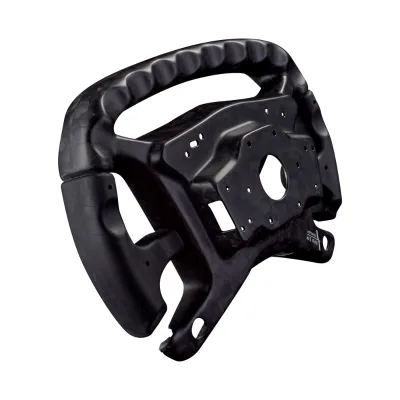


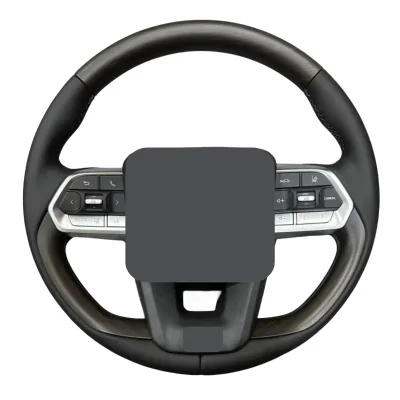
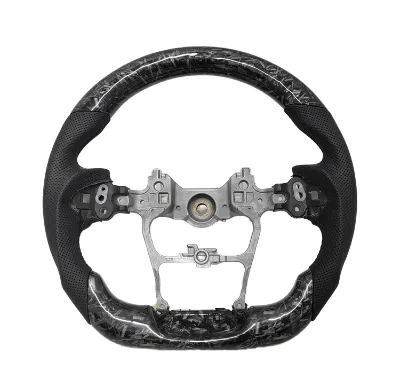

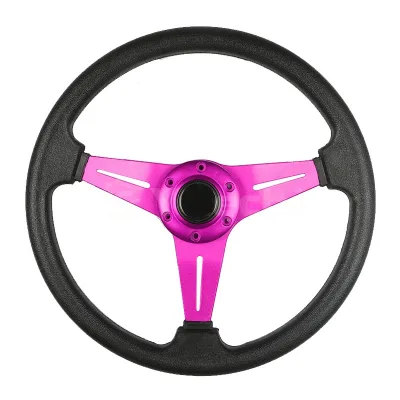




Comprehensive Sourcing Guide
Strategic Sourcing Guide for Billet Forged Sports Steering Wheels
Understanding the Core Product Architecture and Material Integrity
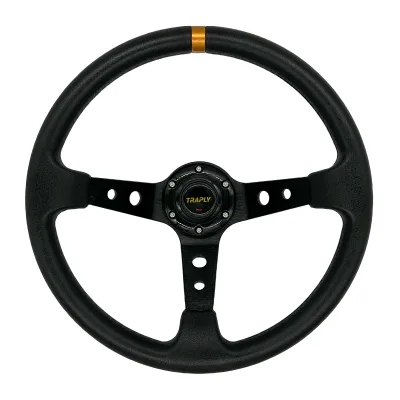
The acquisition of a billet forged sports steering wheel requires a precise understanding of the manufacturing processes and material science that define its performance characteristics. In the context of high-performance automotive components, the term "billet" refers to a solid block of metal, typically aluminum, which is machined down to the final shape. This process ensures a high degree of structural integrity compared to cast alternatives. The supplied data explicitly identifies the wheel material as 6061-T6 Aluminium Alloy, a specific grade known for its excellent strength-to-weight ratio and corrosion resistance. This material selection is critical for reducing unsprung weight and enhancing the tactile feedback required for sports driving.
Furthermore, the "forged" aspect of the product description suggests a metallurgical process where the material's grain structure is aligned to increase strength. While the provided facts list "Steel" as a material attribute for certain components, the primary structural element for the wheel rim is consistently noted as aluminum alloy. The design style is categorized as "Sports," indicating a focus on ergonomic grip, reduced diameter for improved leverage, and a layout that prioritizes driver control over luxury comfort. The product name variations, such as "Custom Billet Steering Wheel" and "Billet Steering Wheel," confirm that these items are often produced to specific dimensional requirements rather than as generic off-the-shelf inventory. Buyers must verify that the specific unit they are sourcing matches the 6061-T6 specification, as lower-grade aluminum alloys may not withstand the torsional stresses of aggressive driving.
Technical Specifications and Dimensional Customization
When evaluating the technical specifications of a steering wheel, dimensional accuracy and fitment compatibility are paramount. The observed data indicates a standard diameter of 15 Inch, though the product is also described as "Customizable" with a dimension specification of 15"/Customizable. This duality suggests that while a standard size exists, the primary value proposition lies in the ability to tailor the wheel to specific vehicle chassis or driver preference. The product model numbers, such as YP-08966 and TT-SW-070, serve as unique identifiers for these configurations, allowing buyers to cross-reference specific design iterations.
The physical attributes of the product extend beyond the rim itself. The bracket depth is specified as 90mm, a critical measurement for ensuring the wheel sits at the correct distance from the dashboard and airbag module. The single gross weight is recorded at 7.000 Kg, which provides a baseline for shipping cost calculations and handling requirements. Packaging dimensions vary, with some listings citing 50X50X20 Cm and others 454514CM, indicating that the final package size depends on the specific model and customization level.
Buyers must pay close attention to the "Car Model" specification, which is listed as "Custom for Different Car." This implies that the steering wheel is not universally compatible with all vehicle makes without modification. The "Car Make" attribute specifically mentions Chevrolet, suggesting that while the product is adaptable, it may have optimized fitment kits or mounting brackets for this specific manufacturer. The "Car Fitment" is also noted as "Other," reinforcing the need for buyers to confirm the specific mounting interface for their target vehicle. The "Installation Method" is listed as "Hand Sewing," which refers to the attachment of the leather or synthetic covering to the wheel rim, a process that significantly impacts the tactile feel and durability of the grip.
Compliance, Certification, and Regulatory Standards
Navigating the regulatory landscape for automotive aftermarket parts is essential for ensuring that the sourced components are legal for use on public roads. The supplied facts explicitly list DOT (Department of Transportation) as a certification. This is a crucial verification point, as DOT certification indicates that the product meets specific safety standards regarding impact resistance and structural integrity required for road use in the United States. However, the data also includes a low-confidence background mention of CE certification. Buyers should not assume CE compliance based on this background note; instead, they must request official documentation from the supplier to confirm whether the specific batch of steering wheels has undergone the necessary European conformity testing.
The "Standard" attribute is listed as "Standard," and the "prod_standard" varies from 505020cm to 454514CM, which appear to be packaging standards rather than product safety standards. It is vital for buyers to distinguish between packaging dimensions and product compliance standards. The "Condition" is uniformly listed as "New," which is a baseline expectation but does not guarantee quality control. The "Automatic" attribute is listed as "Semi-Automatic," which may refer to the manufacturing process or the integration of electronic components like airbag modules, though this requires further clarification from the supplier.
Buyers should verify that the DOT certification is current and applies to the specific model number (e.g., YP-08966). Relying on generic claims without verifying the certification against the specific product batch can lead to compliance issues. Additionally, the "Customized" attribute suggests that modifications to the wheel may void existing certifications. Therefore, any customization involving the structural aluminum or the mounting bracket must be reviewed to ensure it does not compromise the original safety rating.
Cost Drivers and Procurement Economics
The economics of sourcing billet forged steering wheels are influenced by several distinct factors, including material costs, customization levels, and order volume. The observed price range in the market is 1-430 USD, a wide spectrum that reflects the variance between basic models and highly customized, premium units. The lower end of this range likely corresponds to standard, non-customized units with minimal branding, while the upper end reflects complex designs, specific color customizations, and the inclusion of premium materials like Spring Steel for the wire or internal reinforcement.
The Minimum Order Quantity (MOQ) is a significant cost driver. The data shows an MOQ range of 1-100, with specific listings indicating an MOQ of 1 and others requiring 10PCS. This flexibility allows buyers to start with small sample orders to verify quality before committing to larger volumes. The "Sample Available" attribute supports this approach, enabling buyers to conduct physical inspections before placing bulk orders. However, the "MOQ: 10PCS" for certain models suggests that highly specialized or custom-forged items may require a higher commitment to be economically viable for the supplier.
Payment terms are also a critical component of the procurement strategy. The accepted methods include L/C (Letter of Credit), D/P (Documents against Payment), T/T (Telegraphic Transfer), Western Union, and Money Gram. For large orders, L/C offers security for both parties, while T/T is common for established relationships. The "OEM: Accept" attribute indicates that suppliers are willing to produce private-label goods, which can add value but may also increase the MOQ or unit cost due to the setup required for branding and packaging.
Supplier Evaluation and Operational Capabilities
Evaluating a supplier for billet forged steering wheels requires a deep dive into their operational capabilities and production consistency. The "prod_origin" is listed as China, which is a major manufacturing hub for automotive components. Buyers should verify the supplier's specific location within China, as regional clusters often have specialized expertise in aluminum machining. The "Delivery Time" is cited as 7-15 days, which is a relatively short lead time for custom-machined parts, suggesting that the supplier maintains a stock of raw billets or has an efficient production line.
The "Single Package Size" and "prod_packing" details, such as Carton Box or 1PC Packed in a Box, are indicators of the supplier's attention to detail in logistics. Proper packaging is essential to prevent damage during transit, especially for precision-machined aluminum parts. The "Stock Goods Color" includes Silver and Gold, while other listings offer a wide range of colors including Red, Blue, Black, Yellow, Orange, Green, Purple, and Customizable options. This variety suggests a robust finishing capability, but buyers must ensure that the color application process (e.g., anodizing or painting) is durable and does not compromise the structural integrity of the wheel.
The "Customization" attribute is marked as "Available," and the "Customized" attribute specifies "Forged." This confirms that the supplier offers true customization rather than just cosmetic changes. Buyers should inquire about the supplier's capacity to handle the "Hand Sewing" installation method, as this requires skilled labor. The "Automatic" attribute being "Semi-Automatic" may imply that certain assembly steps are manual, which could introduce variability in quality. Therefore, a supplier with a high degree of automation in the machining process but skilled manual labor for finishing is ideal.
Quality Control and Long-Term Procurement Strategy
Implementing a robust quality control (QC) strategy is essential for ensuring that every billet forged steering wheel meets the required specifications. The "Condition: New" and "Standard: Standard" attributes provide a baseline, but buyers must go further. The "Single Gross Weight" of 7.000 Kg serves as a quick check for completeness; any significant deviation could indicate missing components or incorrect material density. The "Wire Material" being Spring Steel is a specific requirement that should be verified through material analysis or supplier documentation to ensure it meets the necessary tensile strength.
For long-term procurement, buyers should establish a clear definition of "Customizable." The data lists "Color: Customizable" and "Dimension: 15"/Customizable," but the extent of these customizations must be defined in the purchase agreement. The "OEM: Accept" status suggests that the supplier can accommodate branding, but the buyer must specify the exact requirements for logos, packaging, and labeling to avoid confusion. The "Product Name" variations, such as "Custom Car Steering Wheel" and "Steering Wheel," highlight the need for precise product descriptions in purchase orders to ensure the correct item is delivered.
The "Applicable Season: Summer" and "Applicable Gender: Male" attributes are interesting observations that may reflect marketing categorization rather than functional limitations. However, they suggest that the product design may prioritize a specific aesthetic or grip style. Buyers should not rely on these attributes for technical decisions but should use them to understand the target market segment. The "Selling Units: Single Item" indicates that the product is typically sold individually, which simplifies inventory management but requires careful calculation of total order quantities.
In conclusion, sourcing a billet forged sports steering wheel involves a careful balance of technical verification, regulatory compliance, and economic analysis. By focusing on the 6061-T6 Aluminium Alloy material, verifying DOT certification, and understanding the nuances of customization and MOQ, buyers can secure high-quality components that meet their performance and safety requirements. The wide range of available options, from standard 15-inch wheels to fully custom designs, offers significant flexibility, provided that the buyer maintains rigorous standards for supplier evaluation and quality control throughout the procurement process.
FAQs
What material is used for the wheel rim?
The wheel rim is constructed from 6061-T6 Aluminium Alloy. This specific grade ensures high strength and corrosion resistance while reducing unsprung weight for better sports performance.
Can I customize the color of the steering wheel?
Yes, customization for color is available with options including silver, gold, and various other hues. Buyers can request specific shades or fully custom colors to match their vehicle interior.
What is the minimum order quantity for this product?
The minimum order quantity can be as low as one piece for certain models. However, some specific listings may require a minimum of ten pieces depending on the customization level.
How long does delivery take for these steering wheels?
The typical delivery time ranges from seven to fifteen days. This lead time applies to standard orders, though complex customizations may require additional processing time from the factory.
Is DOT certification provided for these steering wheels?
Yes, the product facts explicitly list DOT certification as a standard attribute. Buyers should verify that the specific batch matches this safety standard before purchasing for road use.
What is the diameter of the standard steering wheel?
The standard diameter is specified as 15 inches. Customizable dimensions are also available, allowing buyers to tailor the size to specific vehicle requirements or driver preferences.
Can samples be requested before placing a bulk order?
Samples are available for buyers to inspect quality before committing to larger volumes. This allows verification of the hand sewing and material integrity prior to full procurement.